Step-by-Step Digital Marketing
In today’s digital era, people spend a significant amount of time on the internet, mobile devices, and social media platforms. As consumer behavior has shifted online, marketing methods have also evolved. Digital marketing refers to promoting products, services, or brands using digital channels such as search engines, social media platforms, email, and online content.

| Overview | Description |
|---|---|
| Step-by-Step Digital Marketing | Step-by-Step Digital Marketing means learning and applying digital marketing in a clear sequence—from basics and planning to execution, analysis, and optimization—so beginners can grow skills systematically without confusion. |
| Digital Marketing Basics | Digital marketing means promoting products or brands through online channels like search engines, social media, email, and content platforms. |
| Step 1: Understand Fundamentals | Learn core concepts such as SEO, social media, content marketing, paid ads, and analytics to build a strong foundation. |
| Step 2: Set Clear Goals | Define goals like brand awareness, traffic, leads, or sales to give direction to your marketing strategy. |
| Step 3: Target Audience Research | Identify audience age, interests, location, behavior, and needs to deliver the right message. |
| Step 4: Choose Right Channels | Select suitable platforms like search engines, social media, or email based on goals and audience. |
| Step 5: Content Strategy | Create valuable, relevant, and consistent content to build trust and engagement. |
| Step 6: SEO | Optimize content and website to get long-term organic traffic from search engines. |
| Step 7: Social Media Marketing | Build relationships, engagement, and visibility using organic and paid social media strategies. |
| Step 8: Paid Advertising | Use paid ads for fast, targeted reach with proper planning to avoid wasted budget. |
| Step 9: Lead Generation & Funnels | Convert visitors into leads and customers using awareness-to-conversion funnels. |
| Step 10: Email Marketing | Maintain long-term audience relationships through personalized and value-driven emails. |
| Step 11: Analytics | Track performance, traffic, conversions, and ROI to improve strategies. |
| Step 12: Optimization & Scaling | Improve what works and expand successful strategies for better growth. |
| Digital Marketing Course Details | Certificate in Digital Marketing |
| Digital Marketing fees | ₹11,999 |
| Digital Marketing Duration | 3 months |
| Conclusion | Digital marketing is a continuous, step-by-step process that requires consistency, learning, and optimization for long-term success. |
Digital marketing is not limited to running advertisements. It is a complete process that includes planning, strategy, content creation, audience understanding, data analysis, and continuous optimization. In this article, we will explore it, focusing only on digital marketing concepts, processes, and practices—without mentioning any organizations, websites, or external sources.
Read also: Best Digital Marketing Courses in Varanasi in 2026
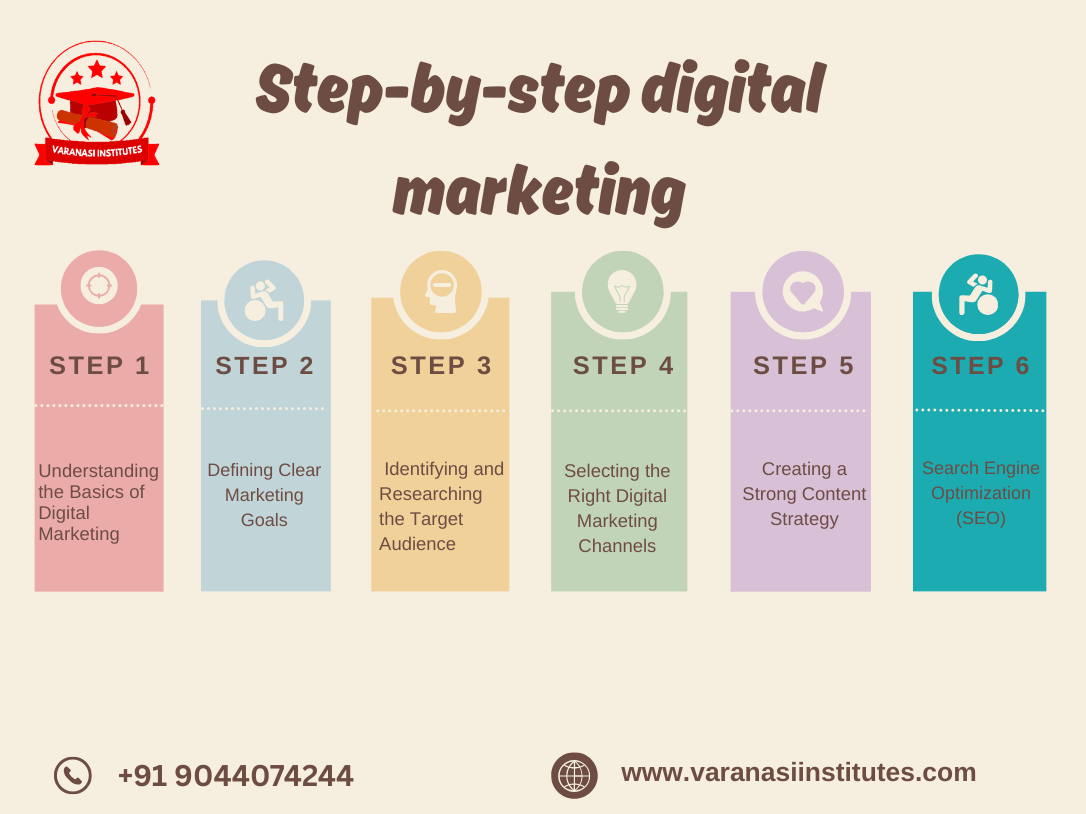
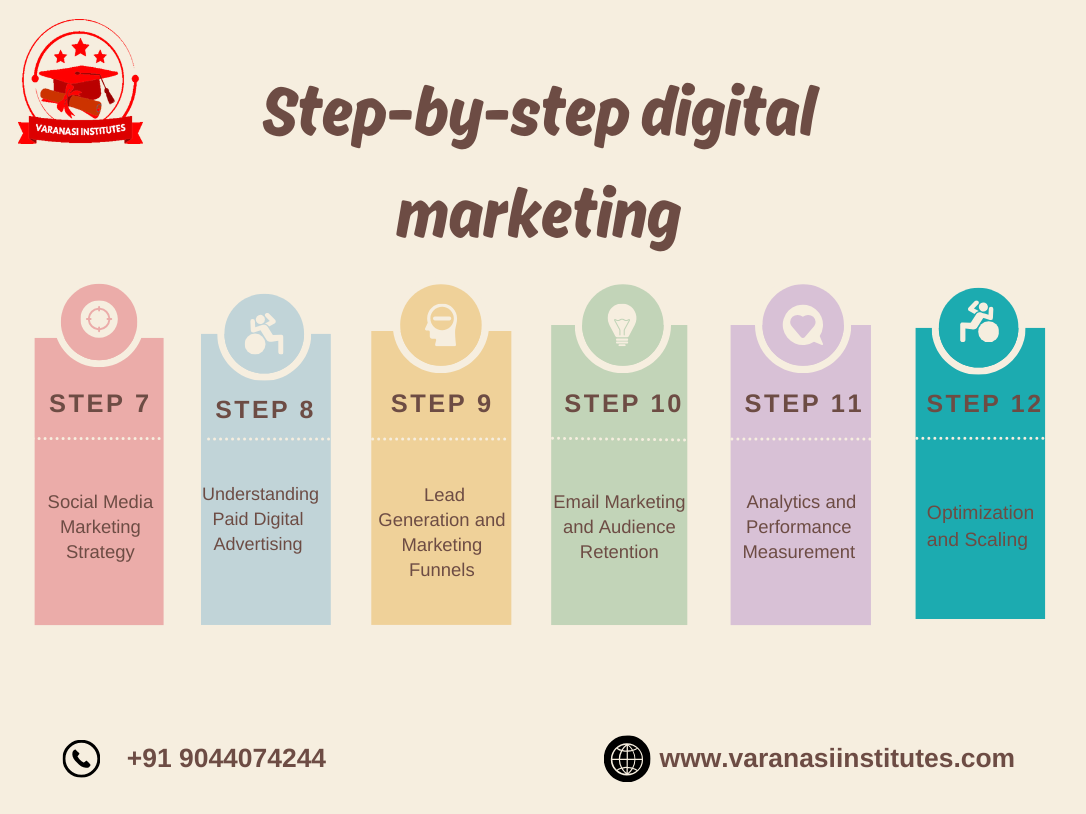
Step 1: Understanding the Basics of Digital Marketing
Before starting digital marketing, it is essential to understand its core foundation. Digital marketing is an umbrella term that includes multiple skills and channels working together.
The major components of digital marketing include:
- Search Engine Optimization (SEO)
- Paid Advertising on Digital Platforms
- Social Media Marketing
- Content Marketing
- Email Marketing
- Analytics and Performance Tracking
- Conversion Optimization
At this stage, the goal is to build conceptual clarity. Beginners should focus on understanding how search engines work, how users behave online, and how digital platforms connect businesses with audiences. Without a strong foundation, advanced strategies may fail to deliver consistent results.
Step 2: Defining Clear Marketing Goals
Digital marketing success begins with clear goal-setting. Without defined objectives, marketing efforts become directionless and inefficient.
Common digital marketing goals include:
- Increasing brand awareness
- Driving website traffic
- Generating leads
- Boosting sales and conversions
- Building personal or professional brand authority
Each goal requires a different approach. For example, awareness-focused campaigns emphasize reach and engagement, while sales-driven campaigns focus on conversions and return on investment. Clear, measurable goals help shape the entire digital marketing strategy.
Read also: Best institute in Varanasi for Digital marketing
Step 3: Identifying and Researching the Target Audience
One of the most important steps in digital marketing is understanding the target audience. Marketing to everyone usually results in marketing to no one.
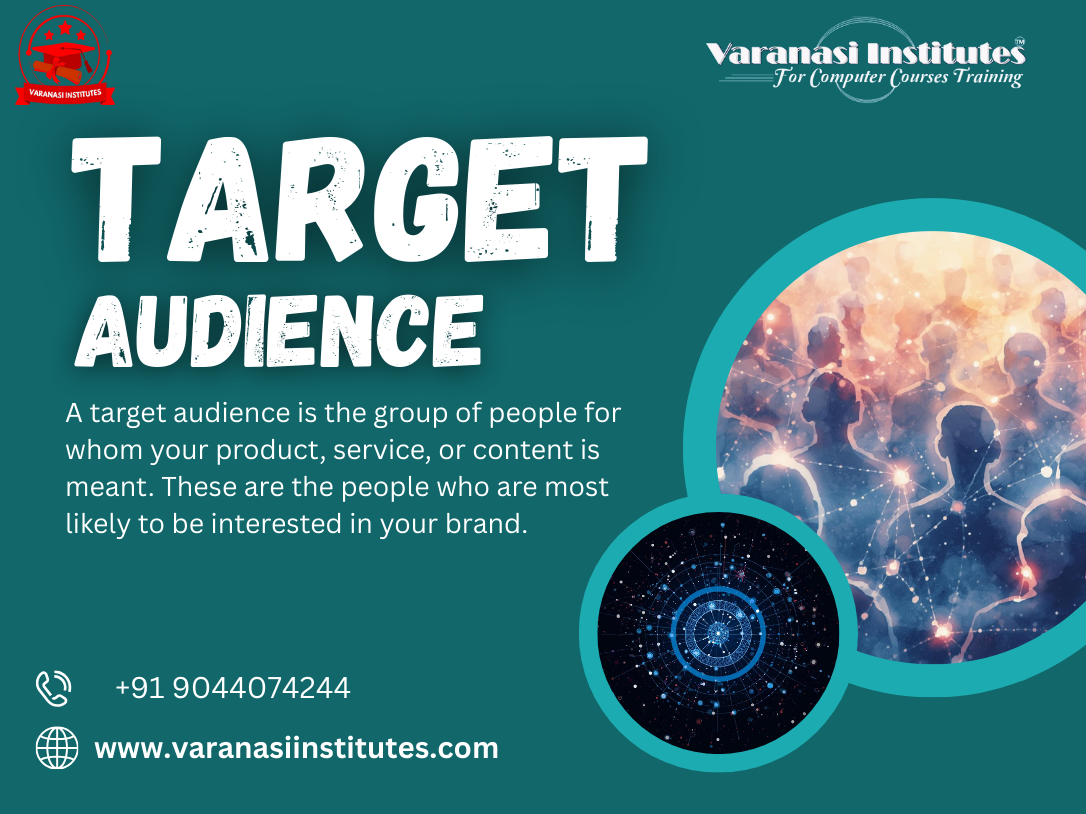
Audience research includes understanding:
- Age group
- Location
- Interests and preferences
- Online behavior
- Challenges and needs
When marketers clearly understand their audience, content becomes more relevant, advertising costs decrease, and conversion rates improve. Audience research ensures that the right message reaches the right people at the right time.
Step 4: Selecting the Right Digital Marketing Channels
Not every digital platform serves the same purpose. Choosing the right channels depends on the target audience and marketing goals.
Key digital marketing channels include:
- Search engines
- Social media platforms
- Content-driven platforms
- Email communication systems
Channel planning ensures that marketing efforts are focused and efficient. A balanced approach prevents wasted effort and maximizes impact by using the most suitable platforms.
Step 5: Creating a Strong Content Strategy
Content is the backbone of digital marketing. Every digital channel relies on content to communicate value, educate audiences, and build trust.
A content strategy defines:
- Content topics and themes
- Posting frequency
- Tone and communication style
Types of content include educational, informational, problem-solving, and trust-building material. High-quality content increases engagement, builds credibility, and supports long-term organic growth.
Step 6: Search Engine Optimization (SEO)
Search engine optimization is a long-term digital marketing strategy aimed at improving visibility on search engines. The objective is to attract relevant and organic traffic.
Key elements of SEO include:
- Keyword research
- On-page optimization
- Technical optimization
- Content quality and relevance
SEO requires patience and consistency. While results take time, they provide sustainable growth and long-term value.
Read also: 11 Best Digital Marketing Courses in Varanasi Institutes
Step 7: Social Media Marketing Strategy
Social media marketing goes beyond posting content. It involves strategic planning, consistent engagement, and audience interaction.
Primary goals of social media marketing include:
- Building relationships with the audience
- Showcasing brand personality
- Increasing engagement and visibility
Both organic and paid strategies are used. Organic efforts build trust over time, while paid campaigns deliver faster reach.
Step 8: Understanding Paid Digital Advertising
Paid advertising allows marketers to reach specific audiences quickly by investing money in digital platforms.
Benefits of paid advertising include:
- Immediate visibility
- Highly targeted reach
- Measurable results
However, without proper planning and audience understanding, paid advertising can lead to unnecessary spending. Strategy and testing are essential.
Step 9: Lead Generation and Marketing Funnels
Digital marketing is not only about attracting visitors but also converting them into leads and customers.
A marketing funnel typically includes:
- Awareness stage
- Interest stage
- Consideration stage
- Conversion stage
Each stage requires different messaging and content. Funnels help guide users smoothly toward decision-making.
Step 10: Email Marketing and Audience Retention
Email marketing is a powerful tool for maintaining long-term relationships with an audience.
Advantages of email marketing include:
- Direct communication
- Personalization
- High return on investment
Effective email marketing focuses on delivering value rather than constant promotion, helping to build loyalty and trust.
Step 11: Analytics and Performance Measurement
One of the greatest advantages of digital marketing is the ability to track and measure performance accurately.
Key metrics to monitor include:
- Traffic sources
- User engagement
- Conversion rates
- Cost versus returns
Analytics help marketers understand what works, what needs improvement, and where optimization is required.
Step 12: Optimization and Scaling
The final step in digital marketing is optimization and scaling. This involves improving successful strategies and expanding them to achieve greater results.
Optimization areas include:
- Content quality
- Advertising performance
- Conversion processes
Scaling focuses on applying proven methods at a larger level while maintaining efficiency and consistency.
Read also: The top 1 best digital marketing placement internships will accelerate your career offers.
Conclusion: Digital Marketing Is a Continuous Process
Digital marketing is not a shortcut to instant success. It is a structured, step-by-step process that requires learning, experimentation, consistency, and patience. Those who focus on building skills and improving strategies over time achieve sustainable growth.
When digital marketing is approached with the right mindset and a clear roadmap, it becomes a powerful and future-ready skill capable of delivering long-term results.
Read also: Digital Marketing Course Fees in Varanasi Institutes
FAQs:
How to learn digital marketing step by step?
To learn digital marketing, first understand the basics, then learn SEO and social media marketing, create simple content, use free tools, practice daily on your own website or pages, and continue learning to improve skills.
How to start digital marketing step by step?
To start digital marketing step by step, first understand the basic concepts and channels. Then choose one skill, practice on real projects, learn essential tools, build a portfolio, and slowly move toward advanced strategies for long-term growth.
What are the 5 stages of digital marketing?
The five stages of digital marketing show how customers move from discovery to loyalty. First is Awareness, where people learn about a brand. Then comes Interest and Consideration, where they engage and compare options. Conversion turns them into customers, and Retention builds long-term relationships.
Which skill should I start with first?
You should start with basics, then choose one skill like SEO or social media marketing.
Why is step-by-step learning better?
It reduces confusion, saves time, and helps learners grow with confidence and clear direction.
Important link:
- Job Partner Website: https://www.jobdo.in/
- Get Computer Info: https://computeritpoint.com/